
Increased house fire risk this winter
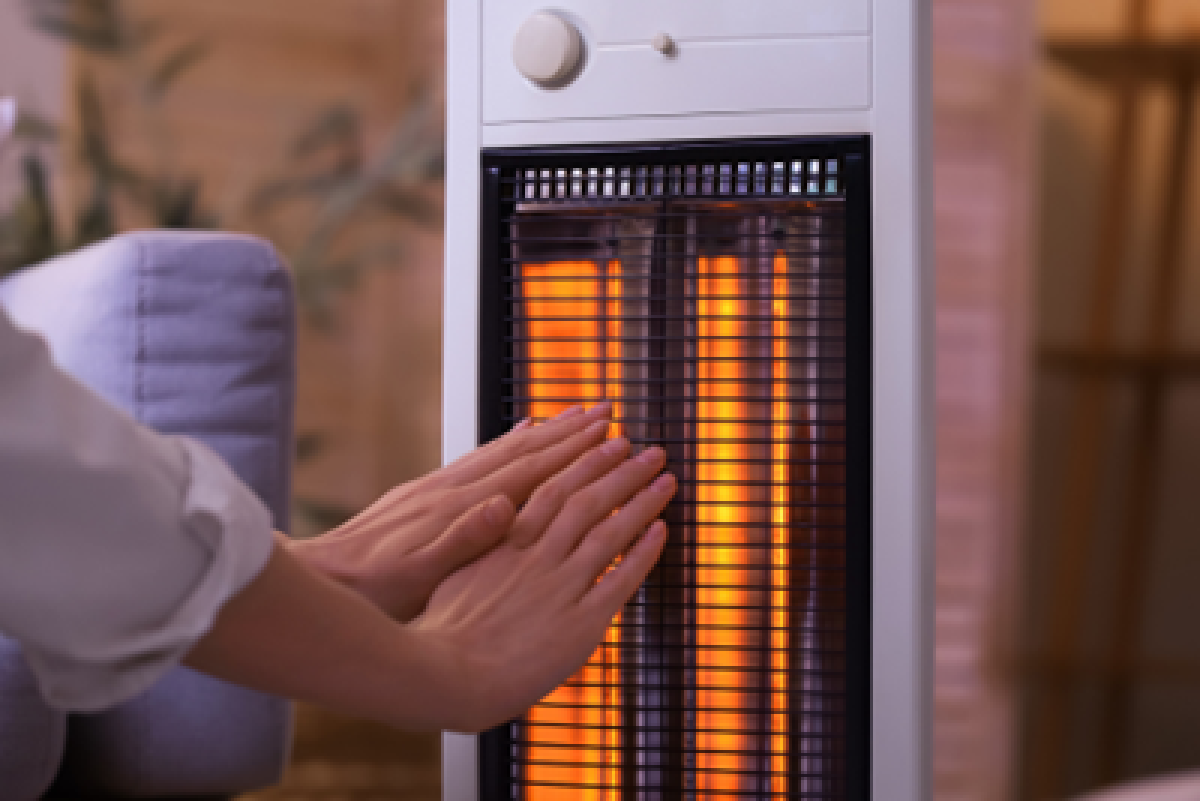
From power boards to portable heaters: How cost-of-living pressures are increasing house fire risk this winter
- As the arrival of winter marks an increased use of portable heaters and electric blankets as well as more time spent indoors, Australian house fires typically increase at this time of year
- Despite the increased risk, in almost half of NSW winter home fires in 2024, there was no working smoke alarm onsite, or the alarm failed to alert
- At this time of year, having working quality smoke alarms is a non-negotiable, with Brooks Australia urging homeowners and renters to avoid cutting corners when it comes to fire safety
With winter officially here, Australians across the country are turning off air conditioners and relying on heaters to stay warm, but while temperatures may be dropping, the risk of house fires increases during the colder months. With more than a third of Australians financially stressed and unable to pay an energy or water bill on time¹, experts are urging homeowners and renters to prioritise safety and keep their smoke alarms maintained for the best chance of escaping a house fire.
In NSW alone, home fires typically increase by 13%2 during winter, with almost half (48%) of incidents in 2025 linked to preventable human behaviours such as unattended cooking, heating appliances, and overloaded power boards3.
In fact, more than 1,020 residential fires were recorded across New South Wales last winter, resulting in 94 injuries and nine deaths3. Alarmingly, nearly half (44%) of winter home fires in 2024 occurred in properties where there was either no working smoke alarm or the alarm failed to activate2. These trends are not limited to NSW either, with winter bringing 15% more preventable house fires and around 100 heater-caused fires annually in Victoria4, and Queensland families impacted by more than 1,600 house fires in just one year.5
Cathy Brand, CEO at Brooks Australia, says rising energy prices and cost-of-living pressures are prompting many Australians to seek cheaper ways to stay warm this winter, which may increase the risk of residential fires.
“Winter always brings an increased risk of house fires, but this year rising energy prices and cost-of-living pressures could make that risk even greater. As households look for cheaper ways to stay warm, we may see more reliance on portable heaters, overloaded electrical outlets, candles and other higher-risk heating methods.
“With many Australians feeling the impact of rising energy prices, there may be a temptation to cut corners on heating costs, but some of these alternatives can significantly increase the risk of a fire in the home.
“No one should have to choose between staying warm and staying safe. As financial pressures continue to grow, it’s important Australians understand that fire safety should remain a priority alongside managing energy costs. Taking a few simple precautions can help households stay both warm and protected throughout winter,” Ms Brand says.
Experts advise that smoke alarms should take only 10 seconds to test and clean, with working smoke alarms remaining the most effective way to receive early warning of a fire.
“Regular maintenance is just as important as having an alarm installed in the first place.
“Testing smoke alarms regularly and replacing batteries when needed is one of the simplest and most effective ways to improve safety at home this winter. Working smoke alarms give occupants valuable time to escape and potentially save lives.
“Having a clear evacuation plan and ensuring everyone in the household knows how to respond in an emergency can also make all the difference. Once outside, stay out and call Triple Zero (000).” Ms Brand continues.
While prevention is the best defence against household fires, the risk can often be downgraded simply by taking some simple precautions while keeping warm.
“To minimise fire risk before winter use, check portable heaters and electric blankets for signs of damage and always switch them off before going to sleep. Follow wheat bag heating instructions carefully to prevent overheating, avoid drying clothes directly on heaters, and ensure chimneys and flues are cleaned regularly, with ashes disposed of safely. Small steps like these can help households stay warm, safe and prepared throughout the colder months.
“While winter may bring added financial pressure for many households, fire safety should never be compromised,” Ms Brand concludes.
As Australians look for ways to manage rising energy costs this winter, Brooks Australia is encouraging homeowners and renters not to cut corners when it comes to fire safety. A simple way to stay on top of smoke alarm maintenance is to remember the Rule of 10:
- Smoke alarms should be less than 10 years old;
- It takes less than 10 seconds to clean them;
- It takes less than 10 seconds to test them.
Taking a few moments to check your smoke alarms today can provide peace of mind and help ensure your household is protected throughout the colder months.